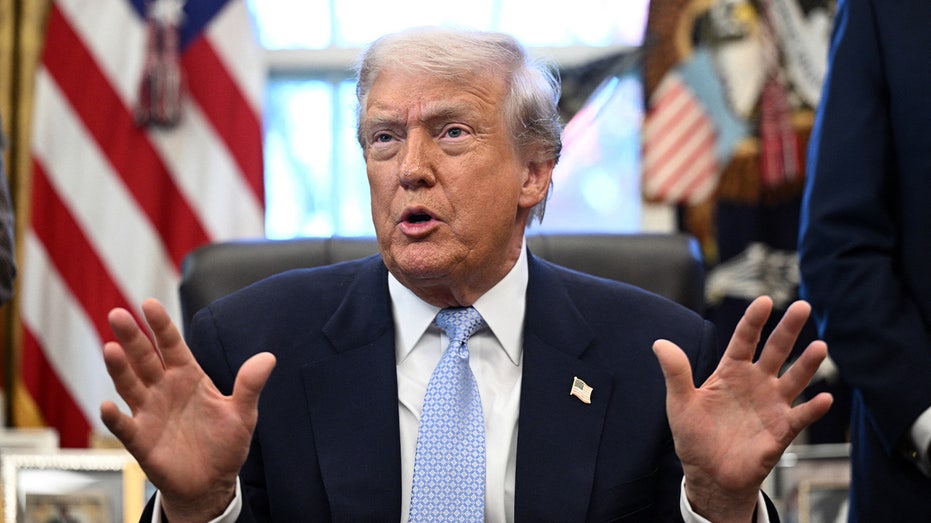
A pivotal moment is unfolding at the White House as President Trump prepares to secure a commitment from tech giants – Google, Microsoft, Meta, Amazon, and others – to safeguard American households from soaring electricity bills. The agreement, dubbed the Ratepayer Protection Pledge, addresses a growing concern: the immense power demands of the rapidly expanding artificial intelligence industry.
The rise of AI, championed by the administration as crucial for maintaining U.S. technological leadership, necessitates a massive build-out of data centers. These facilities, the engines of AI, consume vast amounts of energy, raising fears that everyday Americans would ultimately bear the cost through increased utility rates. This pledge directly confronts that possibility.
The core of the agreement requires these tech powerhouses to independently fund the infrastructure needed to support their energy consumption. This includes building new generation resources and covering the costs of all necessary upgrades to the power delivery network – ensuring that the burden doesn’t fall on families already grappling with economic pressures.
Beyond simply absorbing the costs, the pledge also emphasizes a commitment to American jobs. Companies are vowing to prioritize hiring and training within the communities where they establish and operate these massive data centers, fostering local economic growth and skill development. Thousands of positions are anticipated to be created.
Energy Secretary Chris Wright emphasized the significance of the initiative, stating it will deliver “more affordable, reliable, and secure energy” while simultaneously bolstering America’s position in the global AI race. The administration views this as a dual victory: strengthening the nation’s technological edge and protecting the financial well-being of its citizens.
Leaders within the tech sector have voiced strong support. Amazon Web Services CEO Matt Garman affirmed his company’s dedication to covering its full energy costs, while Microsoft President Brad Smith hailed the pledge as an “important step.” Meta and Google echoed these sentiments, emphasizing their commitment to preventing AI’s energy demands from impacting household bills.
The pledge originated from concerns highlighted during the President’s State of the Union address, where he underscored the need for tech companies to take responsibility for their own power needs, given the limitations of the existing national grid. He proposed that companies invest in their own power generation, ensuring both their operational stability and lower costs for consumers.
This initiative arrives at a critical juncture, as the U.S. and China fiercely compete for dominance in the AI landscape. States like Texas, Louisiana, and Pennsylvania are experiencing a surge in data center construction and AI-driven growth, making this pledge particularly relevant to their economic futures.
The administration has been meticulously developing this plan for months, recognizing the growing affordability concerns among voters. The pledge represents a proactive response to these anxieties, aiming to demonstrate a commitment to economic security and responsible technological advancement. It’s a strategy designed to ensure the benefits of AI are shared by all Americans.
Ultimately, the White House believes this agreement will not only stabilize electricity costs but also fortify the nation’s grid infrastructure and enhance its resilience in times of emergency. It’s a bold move intended to secure America’s energy future and solidify its position as a global leader in innovation.