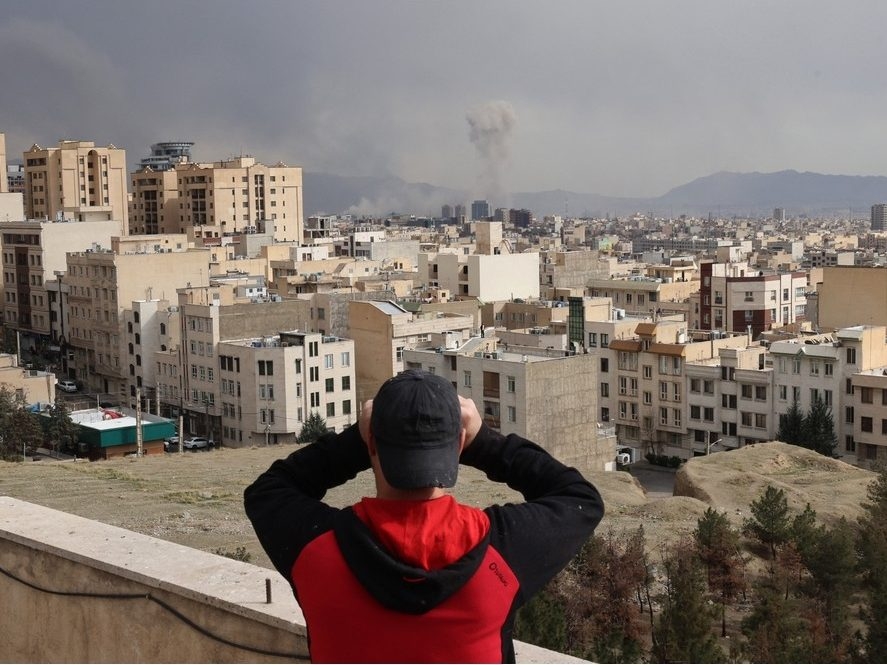
A pattern has emerged with significant geopolitical events initiated by the United States: they often unfold when financial markets are closed. This isn’t accidental. It’s a calculated move, acknowledging the immediate and often volatile reaction markets will have to such news. The recent actions concerning Venezuela and Iran both began on Saturdays, buying time before the economic consequences fully materialized.
But markets inevitably reopen, and the implications quickly become clear. The current focus is the Strait of Hormuz, a critical waterway linking Iran, the United Arab Emirates, and Oman. This isn’t a regional concern; it’s a global economic lifeline, handling approximately 20% of the world’s oil, 23% of its natural gas, and 30% of its chemical fertilizers annually.
This situation differs sharply from the Ukraine conflict, which primarily concerned grain supplies. The current crisis centers on energy and essential industrial inputs. Shipping is already slowing as operators become cautious and insurance costs – war-risk premiums – surge. The disappearance of insurance often means the disappearance of ships themselves.

Fertilizer markets are particularly exposed. The Middle East is a key exporter of urea and ammonia, vital for global crop production. Any prolonged disruption will inevitably drive up costs for farmers worldwide. While Canadian farmers attempt to mitigate risk through advance purchases, they remain vulnerable to unpredictable global price fluctuations.
Diesel fuel represents a significant wildcard in this scenario. Energy markets have already responded, with oil prices climbing around 13% since Monday and natural gas experiencing jumps of up to 30% in some areas. Diesel prices are rising between 8% and 13%, and agricultural commodities are showing upward pressure, though not yet panic.
For Canada, the primary concern is the impact on transportation costs throughout the food supply chain. A potential 25% spike in diesel prices, combined with Canada’s scheduled carbon price increase on April 1st, could significantly exacerbate food inflation. This combined effect could add 0.4 to 0.7 percentage points to national food inflation by late spring.
While seemingly small, each percentage point of food inflation translates to an extra $150 to $200 annually for the average Canadian household. Fresh produce and meat are likely to bear the brunt of these increases, adding strain to already stretched household budgets. Current data reveals food prices are already rising at 7.3% year-over-year, outpacing overall inflation.
The system is already under pressure, and carbon pricing is just one component. Fuel used across the entire food system – from farm equipment to transportation and processing – is subject to a complex web of federal and provincial taxes. These levies, while individually manageable, accumulate and amplify the impact of rising global energy prices.
However, energy shocks alone rarely cause sustained food inflation. Exchange rates, labor costs, and global commodity markets play more significant long-term roles. The critical factor now is the duration of the conflict. A swift resolution would limit the market impact, but a prolonged crisis will send ripples through global supply chains.
The convergence of a global energy shock and a domestic carbon tax increase presents a particularly challenging situation. The timing is, to say the least, unfavorable, and the potential consequences for food affordability are substantial.