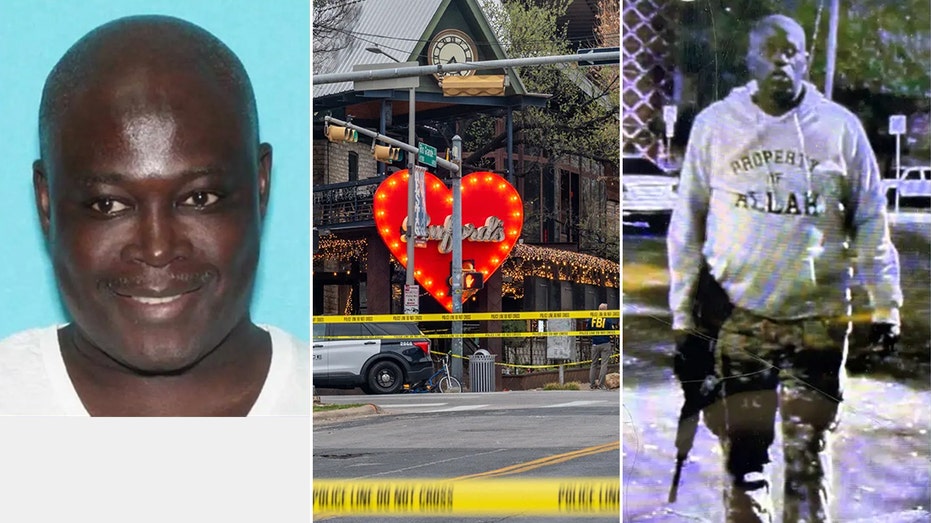
A chilling portrait of the Austin shooter is emerging, revealing a digital trail of virulent hatred and extremist views. Ndiaga Diagne, the 53-year-old identified as the perpetrator of Sunday’s mass shooting, allegedly maintained an online presence saturated with antisemitic, anti-Christian, and deeply offensive language.
The account, believed to belong to Diagne, showcased a rapid descent into hateful rhetoric shortly after its creation in October 2024. Posts contained slurs and derogatory attacks, often flagged by the platform itself as potentially violating its rules against hateful conduct.
Diagne’s online persona fixated on perceived enemies, frequently targeting both Israel and its supporters with venomous accusations. He openly declared allegiance to an “Islamic Revolution,” dismissing criticism as futile and proclaiming Islam’s inevitable triumph.
His animosity extended to religious beliefs, directly challenging core tenets of Christianity and dismissing Jesus as divine. He argued against the foundations of Christian faith, citing scripture in an attempt to discredit its validity.
The suspect’s online attacks weren’t limited to religion and politics; they were laced with misogynistic and deeply personal insults. He routinely denigrated women with cruel and demeaning language, reducing them to stereotypes and attacking their appearance.
Investigators are exploring a potential connection between the shooting and recent events involving Iranian leadership. The timing – occurring just a day after reports of Ayatollah Ali Khamenei’s death – has prompted scrutiny of a possible link to terrorism.
Evidence recovered from Diagne’s vehicle, including a Quran and clothing bearing religious symbols, further fuels this line of inquiry. He was seen wearing a sweatshirt proclaiming “Property of Allah” and an undershirt displaying the Iranian flag.
The shooting itself, which unfolded just before 2 a.m. at a bustling Austin bar, left three people dead and thirteen wounded. The investigation remains ongoing, with authorities working to determine a definitive motive.
While a clear motive remains unconfirmed, the digital footprint left behind paints a disturbing picture of a man consumed by hatred and extremist ideology. The online rhetoric offers a glimpse into the mindset that allegedly drove this horrific act of violence.