The digital arteries of Facebook, despite repeated warnings, continue to pulse with the illicit trade of dangerous goods. Two years after initial reports exposed the problem, the flow of illegal advertisements appears not only to persist, but to have intensified, revealing a disturbing escalation in the brazenness of those exploiting the platform.
What began as ads for psychedelic drugs like LSD and unregulated cannabis has now metastasized to include listings for hard drugs such as cocaine and heroin, counterfeit Canadian currency, and even prohibited firearms. This disturbing trend emerged even as lawmakers attempted to address online harms with legislation that ultimately failed to pass.
The advertisements often masquerade behind the veneer of legitimate businesses, particularly those claiming to be in the health and wellness sector. However, coded language and imagery – white powders, references to “8-balls” of cocaine, and promises of swift, discreet delivery – betray their true purpose.
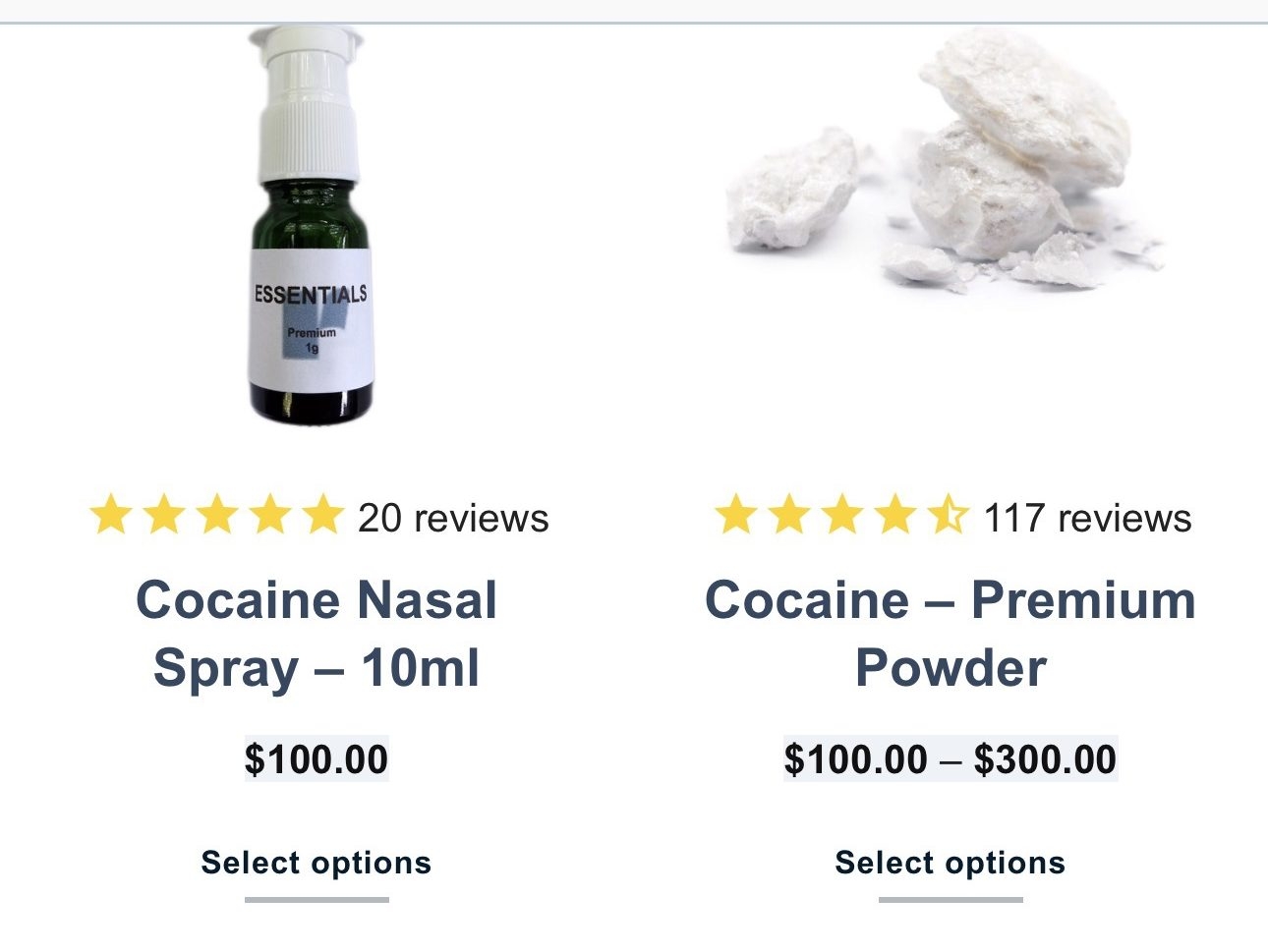
One online retailer, openly advertising cocaine powder and nasal spray alongside ketamine and psilocybin-infused chocolate, boasts of vacuum-sealed packaging and secure shipping via Canada Post Xpresspost, even offering optional insurance against non-delivery. The audacity is chilling.
Other ads funnel users to a self-described “dark web” marketplace, complete with looping soundtracks of songs referencing drug use. This site doesn’t shy away from offering heroin, raw poppy heads, cloned credit cards, and handguns – including 9mm Glocks and .357 Magnums – all readily available within Canada.
Despite assurances from Meta that such activity violates their policies, the platform’s automated reporting system consistently fails to flag these egregious violations. Complaints are routinely dismissed, allowing the illicit marketplace to thrive.
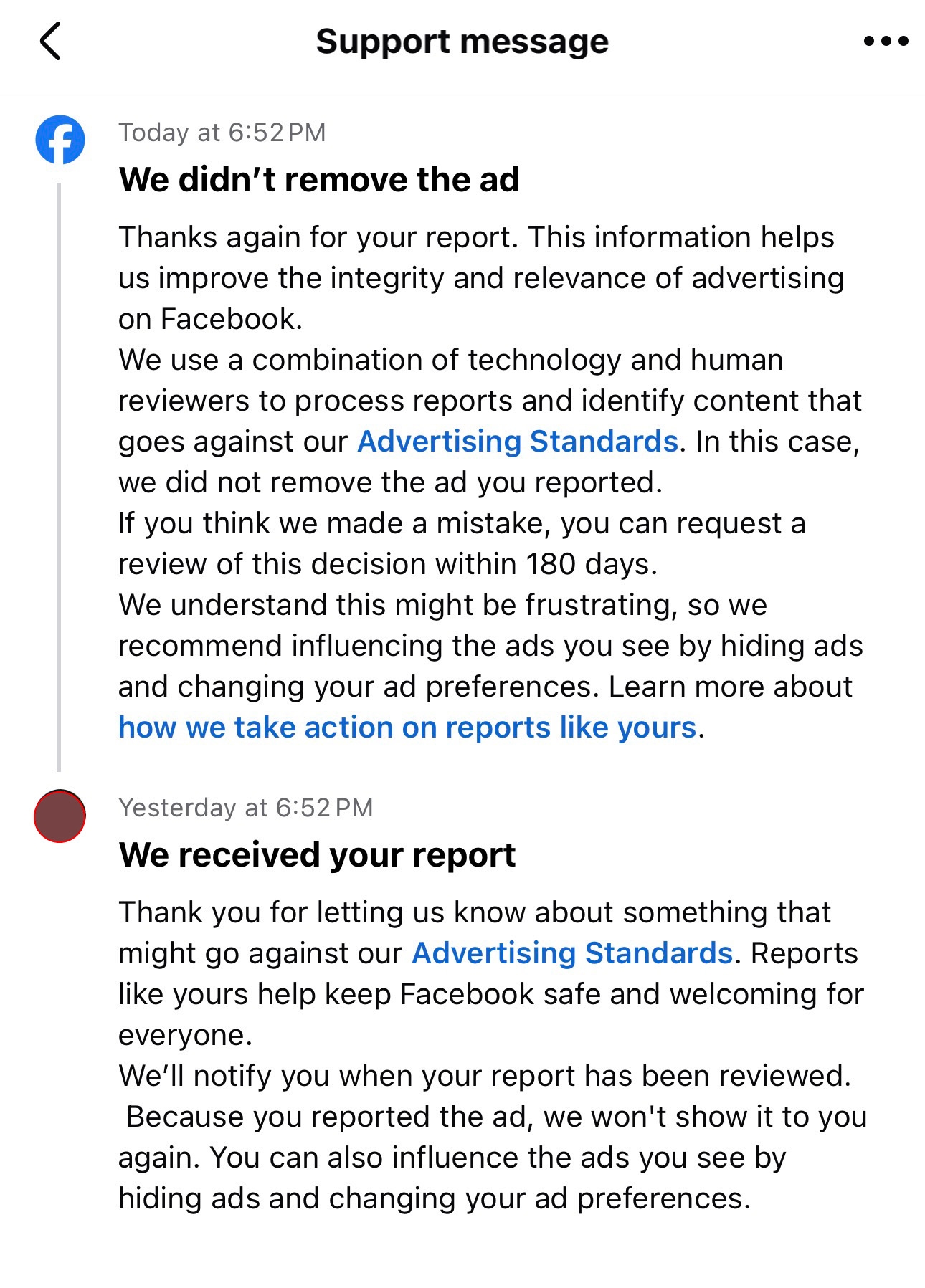
Meta acknowledges the problem, stating that the challenge extends beyond a single platform and requires broad collaboration. While they claim to have removed specific ads brought to their attention, similar listings continue to surface, even as this information comes to light.
In November of the previous year, Meta announced stricter policies and claimed all advertisements were being reviewed before publication. They also reported removing nearly four million pieces of content related to drug policy violations. Yet, the evidence suggests these measures are demonstrably insufficient.
The persistence of these ads raises serious questions about the effectiveness of Meta’s content moderation systems and their commitment to safeguarding users from dangerous and illegal activity. The digital marketplace, it seems, remains open for business, fueled by a disturbing lack of oversight.
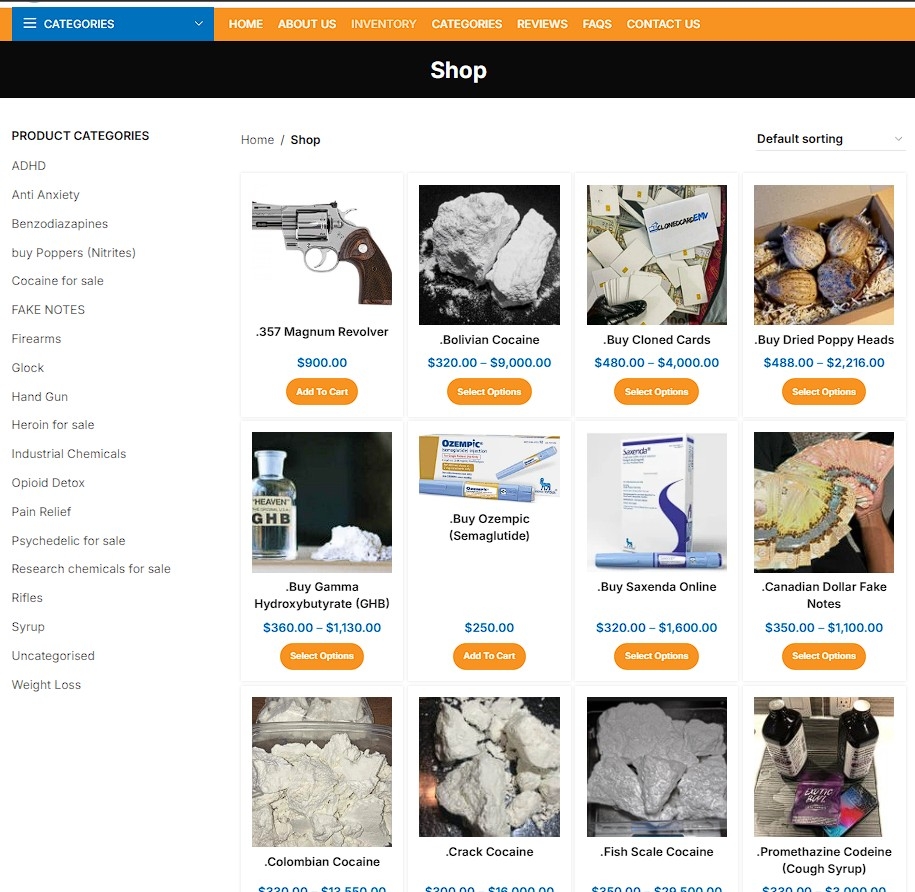
The situation underscores a troubling reality: the fight against online criminal activity is far from over, and the platforms hosting this trade bear a significant responsibility to address the escalating threat.