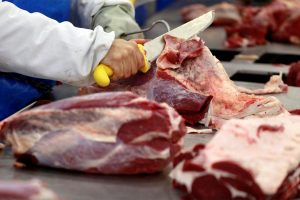
A shift in policy may be on the horizon for Philippine pork imports from Germany. The Department of Agriculture is considering a move away from sweeping bans triggered by African Swine Fever (ASF) outbreaks, potentially allowing imports from specific, disease-free regions within Germany.
Undersecretary for Livestock, Constante J. Palabrica, revealed the possibility of approving Germany’s request for “regionalization” within the next three months. This would mean pork products could come from areas demonstrably free of ASF, rather than a complete halt to all German pork entering the country whenever a case is detected anywhere within Germany.
Germany initially sought this regionalization status two years ago, but the process has been painstakingly slow. The Bureau of Animal Industry has been conducting an exhaustive review of documentation, demanding a high level of proof regarding disease control and prevention.
The stringent requirements aren’t solely on the Philippine side. Delays have also been attributed to slower-than-desired responses from German authorities in providing the necessary information and assurances.
The Philippines formally adopted ASF regionalization rules last year, establishing a strict framework for safe pork imports. This includes verifying the origin of products from ASF-free zones, utilizing sealed transport, and conducting thorough inspections of animals both before and after slaughter.
The initial suspension of German pork imports began in 2019, triggered by the discovery of ASF-contaminated meat originating from Poland within German shipments. A further ban followed in 2020 when Germany itself confirmed its first case of ASF in a wild boar population.
These regulations extend to live swine as well, requiring them to originate from ASF-free zones, exhibit no signs of illness, and avoid any restricted areas during transport. Every precaution is being taken to safeguard the local swine industry.
Approval of Germany’s application isn’t simply a matter of paperwork. Once cleared, a formal bilateral agreement will be signed, detailing precise animal health requirements and ensuring ongoing compliance between the two nations.
The Philippines has already granted regionalization approval to other major pork exporters, including Poland, Russia, and Canada, demonstrating a willingness to balance trade with robust biosecurity measures. This potential agreement with Germany could signal a new approach to managing the risk of ASF while maintaining access to international markets.