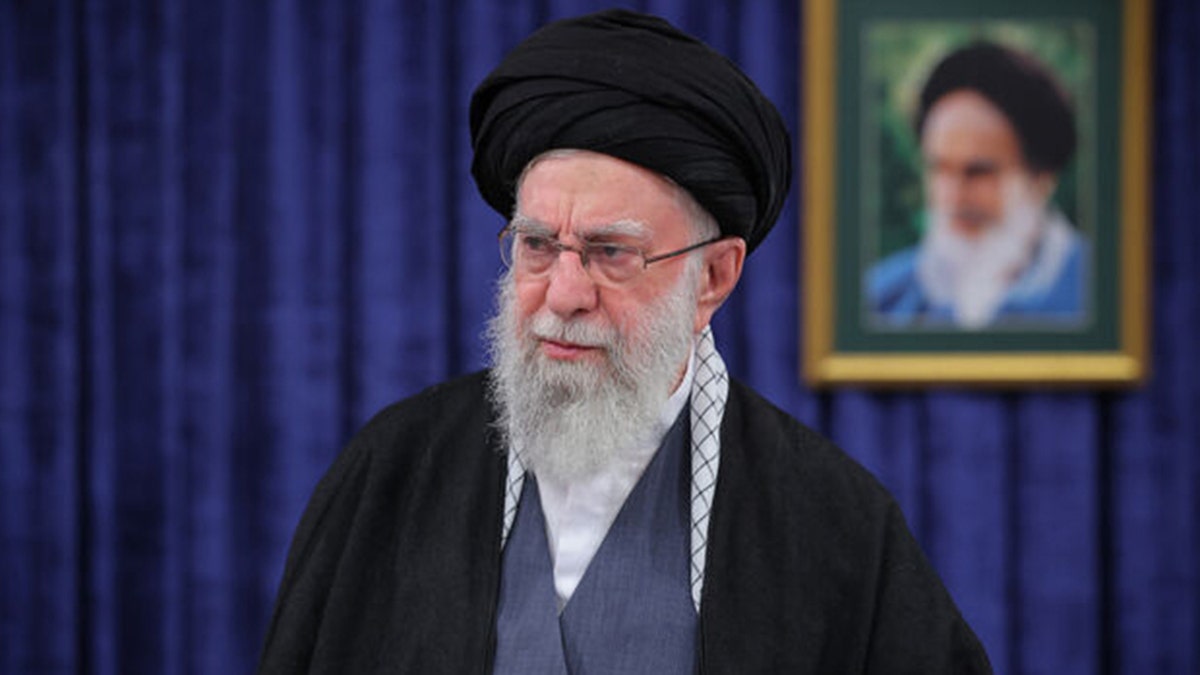
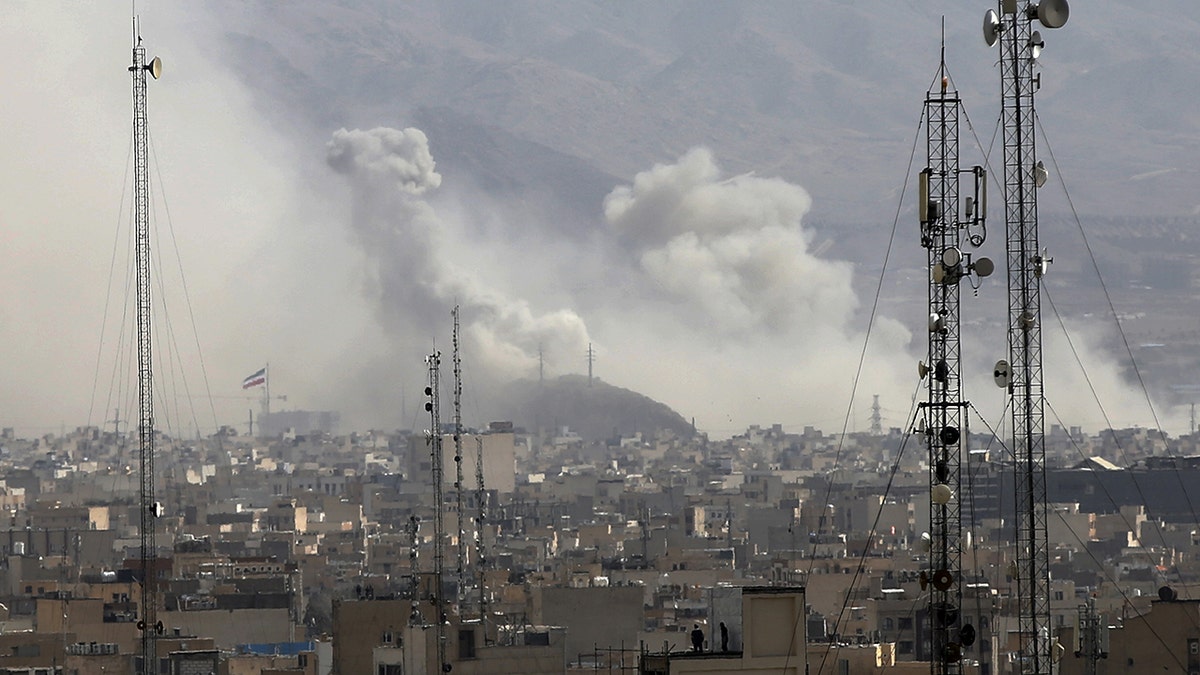
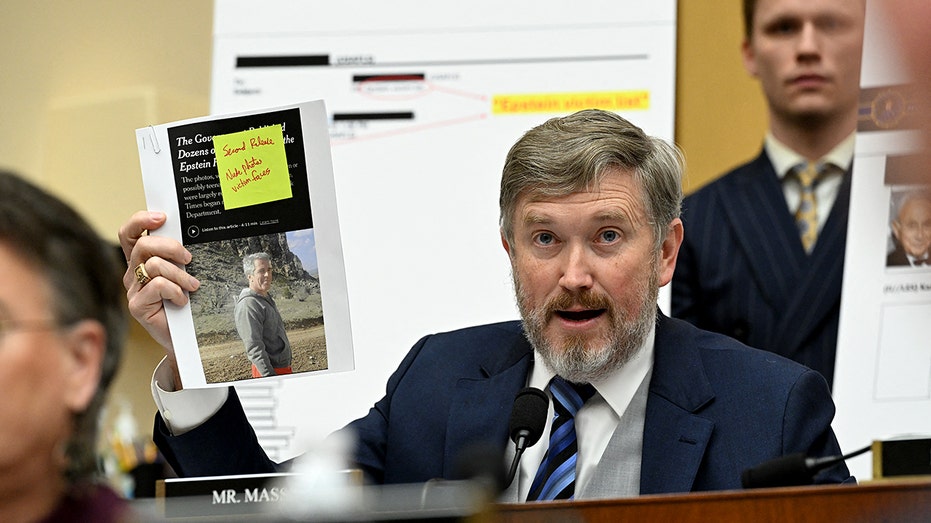
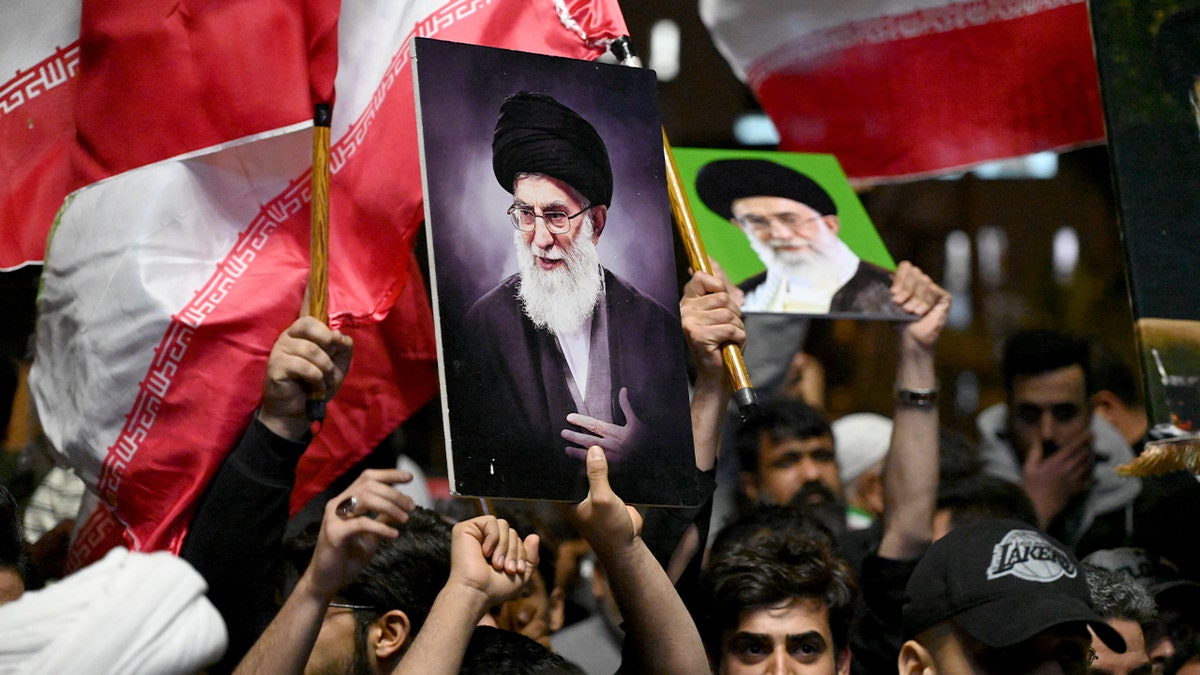
The strikes against Iran have ignited a furious debate, with some immediately questioning their constitutional basis. Representative Thomas Massie was among the first to voice strong objections, but a deeper look at history reveals a complex and often-repeated pattern of presidential action.
The Constitution clearly divides war powers: Congress holds the power to declare war, while the President commands the armed forces. Yet, since World War II, this division has become blurred. Presidents have repeatedly acted unilaterally, and the courts have largely deferred to their judgment, creating a troubling precedent.
The current situation triggers the War Powers Resolution of 1973, a law designed to reassert congressional authority. This resolution demands the President inform Congress within 48 hours of introducing forces into hostilities, and limits operations to 60 days without explicit congressional approval. A recent, secretive briefing of key senators suggests the administration anticipated this moment.
President Biden is justifying the action by citing ongoing attacks by Iran and its proxies against U.S. forces and allies. He points to Iran’s status as a state sponsor of terrorism and its continued pursuit of nuclear weapons, despite international pressure. These are serious concerns, but they don’t erase the constitutional questions.
Historically, presidents have leaned heavily on the ambiguity of “national security” to justify military actions. This has led to accusations of hypocrisy, as similar actions taken by previous administrations – including those of Presidents Obama and Trump – drew vastly different reactions depending on who occupied the White House.
The administration is also invoking existing Authorizations for the Use of Military Force (AUMFs), resolutions passed after 9/11 and concerning Iraq. These AUMFs, originally intended for specific threats, have been stretched to justify actions in entirely different regions and against different adversaries. The Trump administration even asserted the 2002 Iraq AUMF had no geographic limitations.
President Biden’s reliance on these same AUMFs is particularly striking, given his previous calls to rescind the 2002 authorization. This highlights the convenient malleability of these legal justifications, often shaped by political expediency rather than strict constitutional interpretation.
Congress now faces a critical decision. It can attempt to limit or halt the operation, but many members are likely to wait and assess the initial results and public reaction. The longer the military engagement continues, the louder the calls for congressional action will become.
Ultimately, President Biden is operating within a framework established by decades of precedent. While the constitutional questions are valid and deserve scrutiny, history suggests the initial legal challenges to this action may face an uphill battle. The delicate balance of power between the executive and legislative branches hangs in the balance.