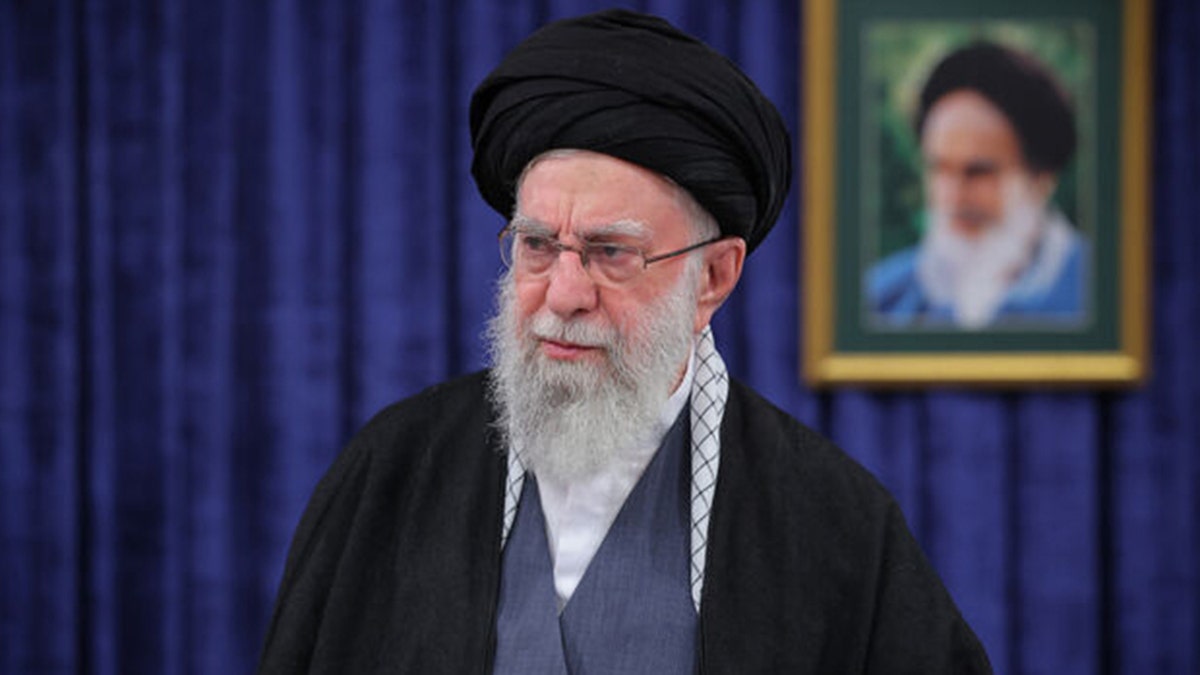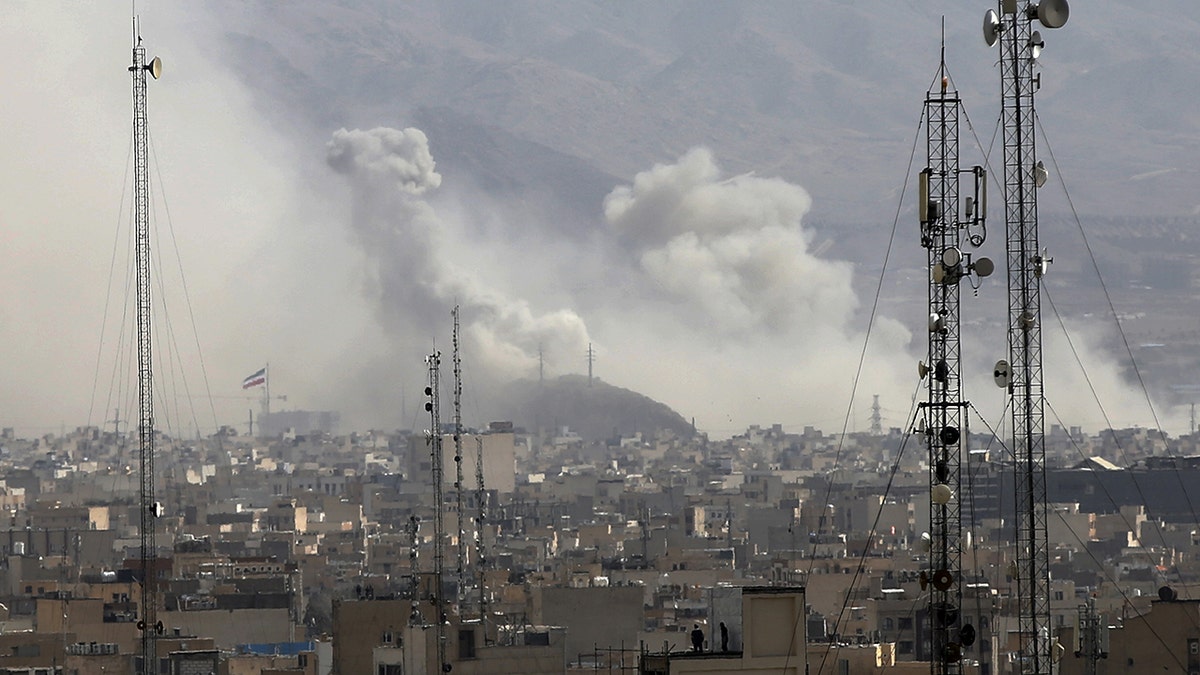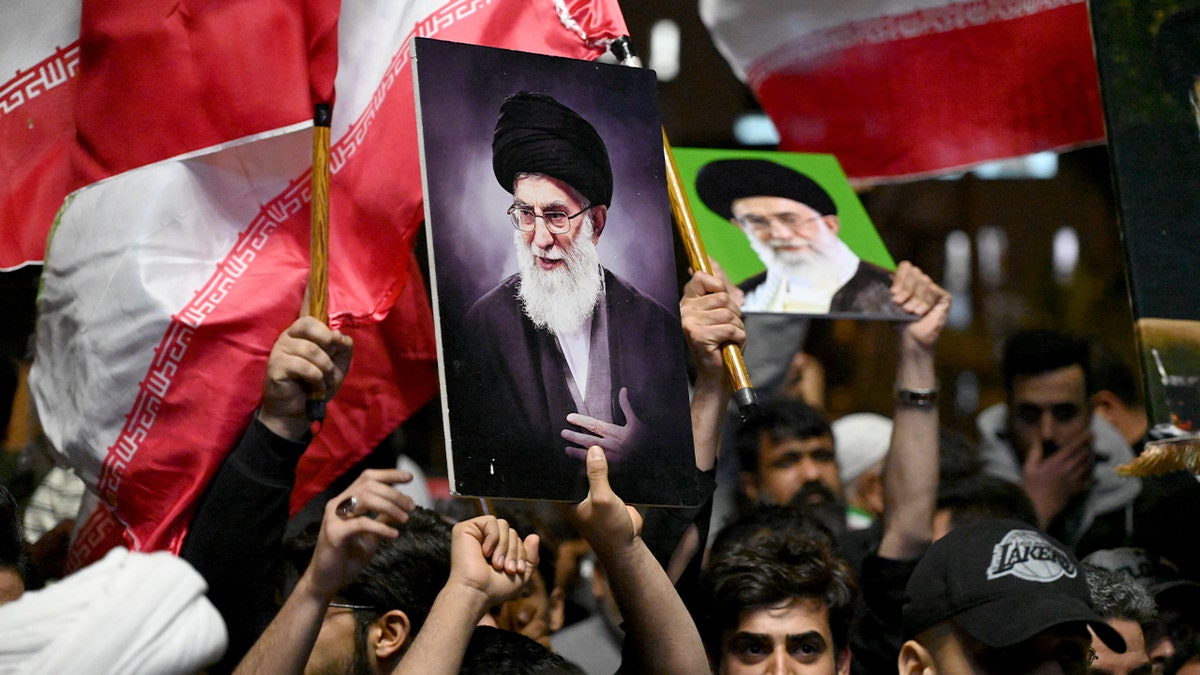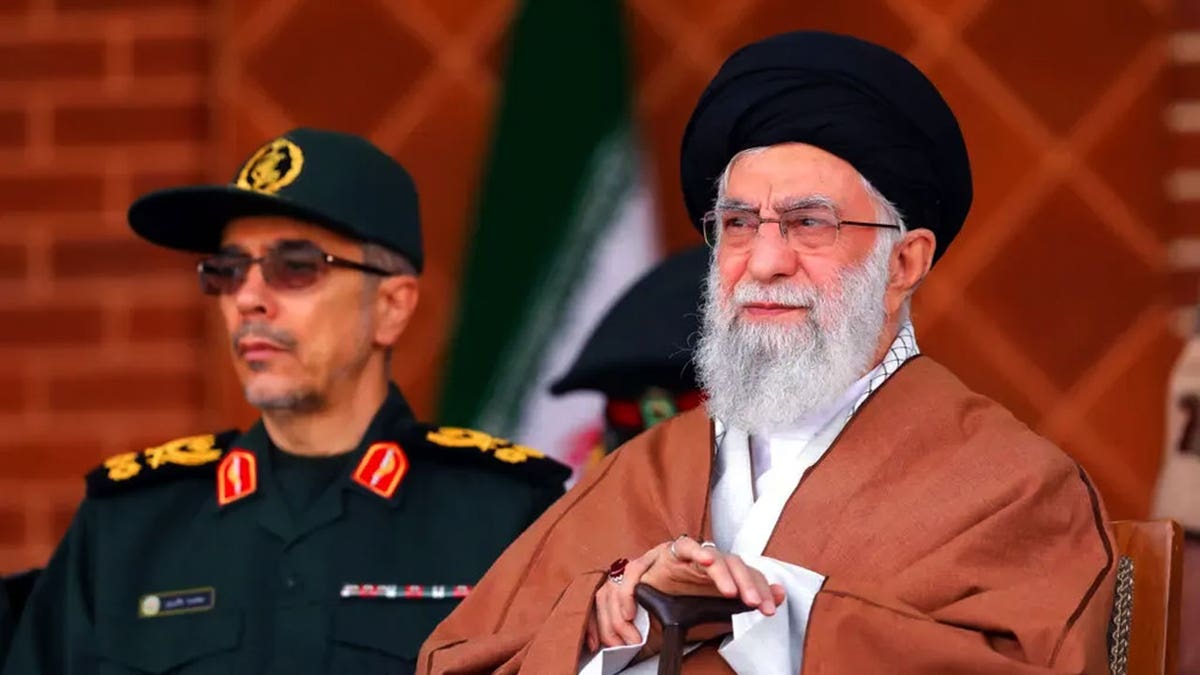
The world holds its breath. A coordinated strike, dubbed “Operation Epic Fury,” has shattered the uneasy peace, with the United States and Israel targeting sites deep within Iran. Explosions rocked Tehran and other cities as airspace was breached, and reports indicate Iran’s Supreme Leader was swiftly moved to a secure, undisclosed location.
Tehran’s response was immediate – a barrage of counter-missiles launched into the sky, a defiant promise of further retaliation echoing across the region. The specter of attacks against U.S. bases looms large, a chilling escalation in a conflict that has been simmering for decades. This isn’t simply a military operation; it’s a high-stakes gamble with global consequences.
This isn’t the first time this path has been trod. Just last year, “Operation Midnight Hammer” unleashed a similar wave of force, employing stealth bombers and cruise missiles against key Iranian nuclear facilities. The intent was “complete and total obliteration,” but the reality proved far more complex. Damage was significant, yet the program endured, its core knowledge and ambition intact.
The lesson learned – and one Washington must now confront – is that force alone cannot erase intent. Destroying facilities doesn’t dismantle a deeply rooted ideology. Iran absorbed that blow, dispersing materials and tightening security, preparing for the inevitable follow-up. Now, the question isn’t *if* they would strike again, but *what happens next*.
Retaliation will likely unfold in a carefully calibrated escalation. Expect a shadow war of proxy attacks, disruptive cyber operations, and mounting pressure on vital maritime routes. The Strait of Hormuz, a critical artery for global oil supplies, remains Tehran’s most potent weapon – a potential choke point that could send shockwaves through the world economy.
But the regime, though wounded, is far from broken. Protests erupted in late 2025, shaking the foundations of power, yet ultimately failing to topple the government. The security forces held, defections didn’t materialize, and the aging Supreme Leader remains in control, though his succession looms as a destabilizing factor. The system is strained, but stubbornly intact.
The potential for a power vacuum is real, and the outcome is far from certain. A weakened clerical rule could empower the Islamic Revolutionary Guard Corps, potentially strengthening a hardline faction. External strikes, intended to fracture the regime, could ironically consolidate its grip on power.
Hope for a swift transition rests with opposition figures like Crown Prince Reza Pahlavi, who enjoys diaspora support, and groups like the MEK. However, symbolic leadership and governing capacity are vastly different. Neither possesses the immediate infrastructure to administer a nation of 92 million, and both face significant credibility challenges.
The international landscape adds another layer of complexity. China and Russia, while condemning the strikes, have avoided direct confrontation. Their support for Iran – through oil purchases, military exercises, and diplomatic shielding – is a quiet but powerful force, shaping the conflict from the sidelines. They don’t need to send troops to complicate matters.
The military demonstration is now complete. The real test begins now. Has Washington fully accounted for escalation in the Strait of Hormuz? Has it anticipated the potential for IRGC consolidation? Has it defined clear, achievable objectives beyond simply “degrading and deterring”? And crucially, has it established a clear path to de-escalation?
Military might can destroy infrastructure, but strategy determines whether that destruction leads to lasting change. The world is watching the fallout, and history will judge whether this strike reshapes Iran’s behavior or simply resets the clock, bringing the world closer to a wider, more devastating conflict.