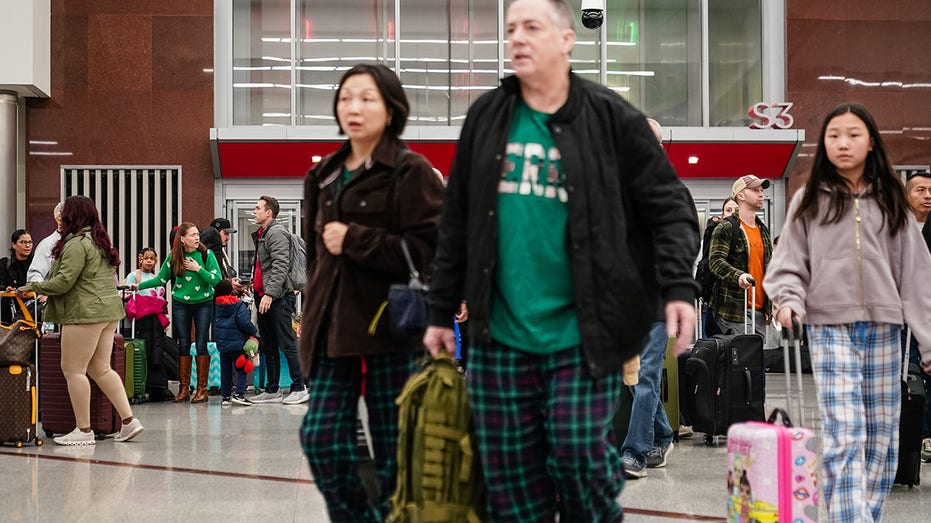
Tampa International Airport ignited a surprisingly fierce debate with a bold declaration on social media: it was time to ban pajamas. The airport’s X account didn’t mince words, repeatedly stating the need to address this perceived crisis with a playful, yet firm, tone.
The post quickly went viral, sparking a flood of reactions ranging from outrage to enthusiastic agreement. Many questioned the airport’s authority to dictate travel attire, while others nostalgically yearned for a return to more formal travel standards reminiscent of decades past.
However, the seemingly serious announcement was, in fact, a carefully crafted joke. Airport officials explained they regularly use lighthearted, satirical content to engage with their online audience, and the pajama ban was simply the latest playful jab at travel fashion choices.
Despite the clarification, the controversy resonated with a larger conversation about standards of dress in public spaces. The airport’s post tapped into a vein of frustration some travelers feel about declining standards of civility and comfort.
This wasn’t an isolated incident. Just weeks prior, Norwegian Cruise Line faced backlash after banning shorts and flip-flops in its premiere restaurants, prompting similar arguments about vacation freedom versus expectations of decorum.
The cruise line’s decision drew sharp criticism from passengers who valued the relaxed atmosphere traditionally associated with cruising, while others applauded the move as a return to elegance and respect for dining environments.
The debate echoes a sentiment recently expressed by U.S. Transportation Secretary, who observed a decline in civility among air travelers and launched a campaign promoting courtesy and respect. He even suggested that dressing with a bit more consideration could positively influence behavior.
His comments, and the airport’s playful post, highlight a subtle but growing desire for a return to a more mindful and respectful travel experience, even if it means leaving the pajamas at home.
The airport’s call to action – to become the world’s first Crocs-free *and* pajama-free airport – was a tongue-in-cheek challenge, but it clearly struck a chord, revealing a surprising level of passion surrounding the seemingly trivial matter of airport attire.
Ultimately, the uproar demonstrates that even seemingly minor changes to travel norms can ignite strong opinions and spark a broader discussion about comfort, respect, and the evolving expectations of public behavior.