The latest installment of the beloved Regency-era drama has arrived, igniting a fervent reaction amongst LGBTQ+ viewers. Specifically, a blossoming connection is captivating hearts and dominating online conversation.
Season four initially introduced audiences to Benedict Bridgerton’s romantic journey, but it’s his sister, Francesca, and her complex relationship with Michaela that has truly captured the imagination. This pairing, quickly dubbed “Franchaela” by fans, is proving to be a pivotal moment for representation within the series.
The shift stems from a deliberate reimagining of a character from the original novels. Michaela is a gender-swapped counterpart to a male character in Julia Quinn’s source material, setting the stage for a queer storyline that was eagerly anticipated after hints from the showrunner.
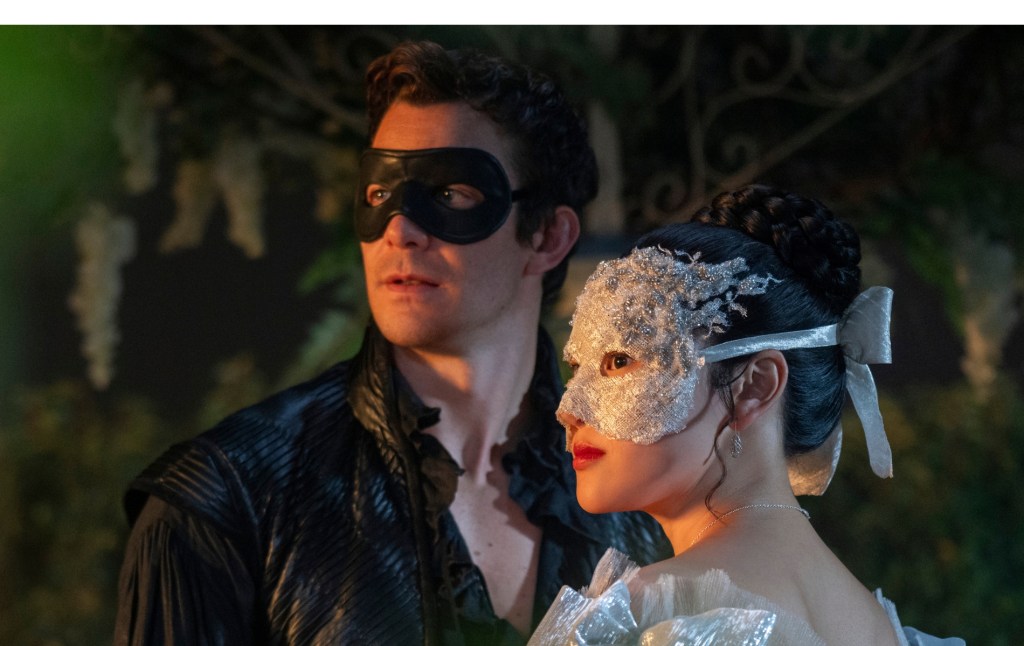
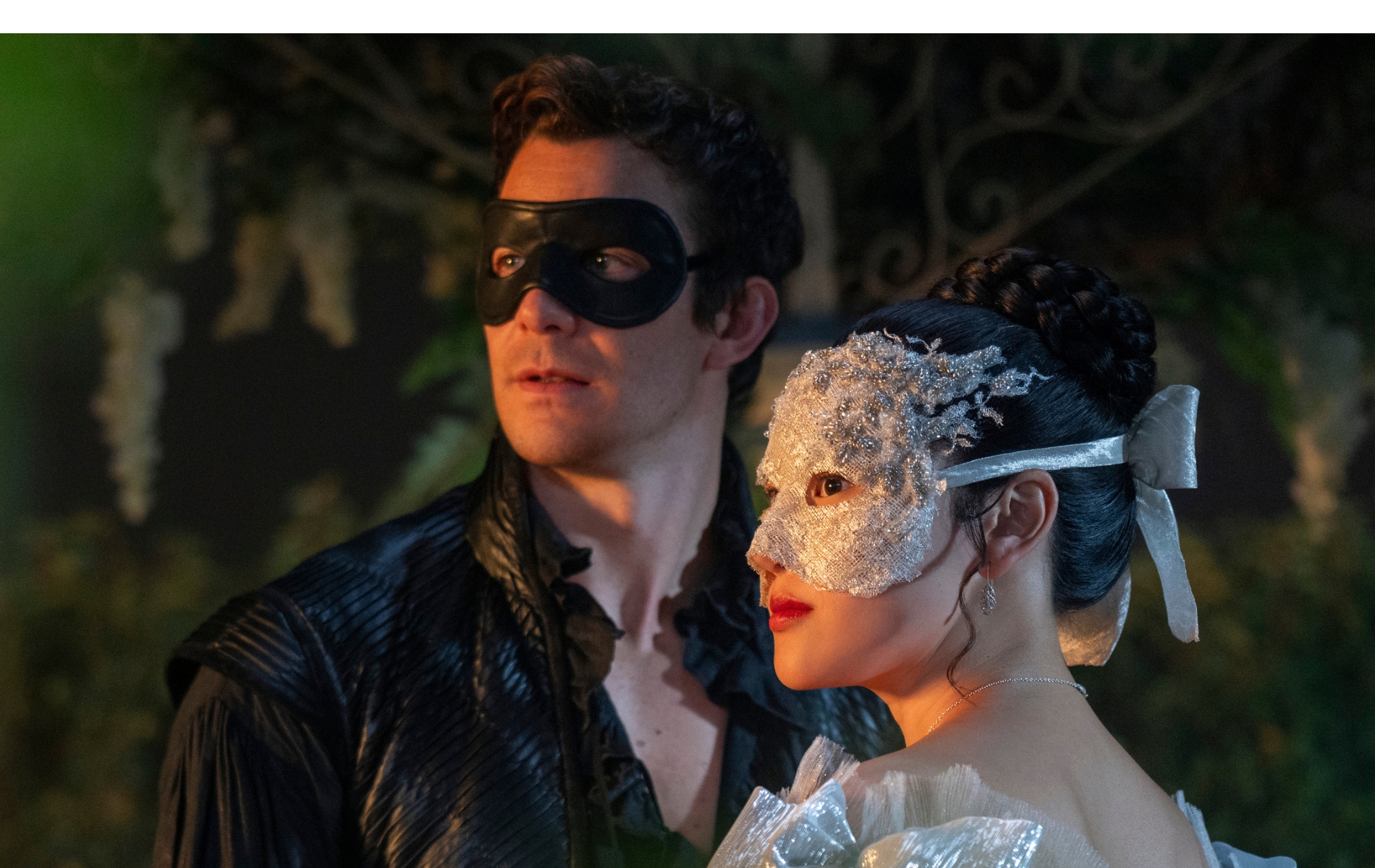
Francesca’s recent marriage to Sir John Stirling initially appeared to follow a traditional path, but the introduction of Michaela, his cousin, injected a potent undercurrent of longing and unspoken attraction. The subtle interactions between the two women have been meticulously dissected and celebrated by viewers.
The release of the season’s second half unleashed a wave of passionate responses. Fans describe a shift from tentative glances to undeniable chemistry, praising the nuanced portrayal of a burgeoning queer romance within the constraints of the period setting.
Social media platforms exploded with declarations of joy and excitement. Viewers shared clips, analyses, and heartfelt reactions, expressing relief and gratitude for a storyline that feels both authentic and groundbreaking.
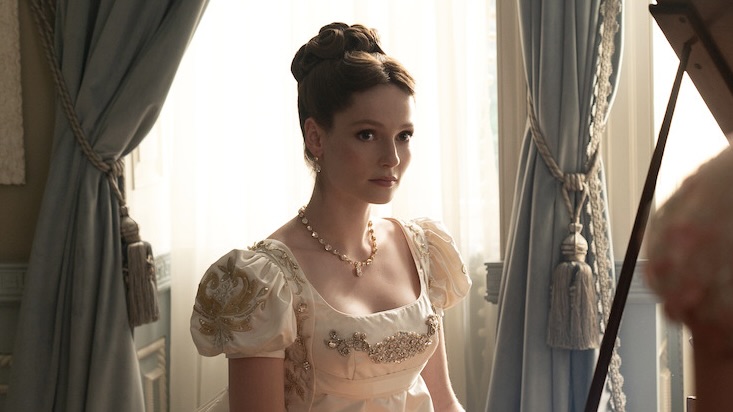
One fan proclaimed their “Franchaela heart exploded,” while others highlighted the captivating tension and the promise of a deeper connection to come. Predictions abound that Francesca’s feelings for Michaela will intensify, promising a compelling emotional arc.
The show’s commitment to modernizing classic narratives is further evidenced by calls for a specific song – Chappell Roan’s “Good Luck Babe!” – to be featured in an instrumental cover, perfectly encapsulating Francesca’s internal struggle and awakening desire.
“Franchaela” isn’t just a ship name; it represents a significant moment for queer representation in a mainstream period drama, offering a glimpse of a love story that resonates deeply with a dedicated and passionate audience.