Across continents, a shared yearning for freedom is igniting protests. While the world witnesses the courageous uprising in Iran, a parallel struggle unfolds in Georgia, a small nation bordering Russia. For over a year, Georgians have taken to the streets, challenging the legitimacy of disputed 2024 parliamentary elections and a government perceived as increasingly authoritarian.
The cold doesn’t deter them. Despite freezing temperatures and accusations of police brutality, everyday Georgians find strength in the Iranian people’s fight for democracy. A former defense minister noted the constant conversation among protestors in Tbilisi – it’s always about Iran, a beacon of hope demonstrating that resistance, even against seemingly insurmountable odds, is possible.
The unrest began after the pro-Russia Georgian Dream party declared victory, abruptly halting Georgia’s long-held ambition to join the European Union. For years, Georgians have overwhelmingly favored closer ties with the West, a desire now threatened by a shift towards a Russian-aligned foreign policy.
Tbilisi’s central Rustaveli Avenue has become a focal point of defiance, filled with protestors blocking traffic and voicing their outrage. They see their nation being pulled away from Europe and towards the orbit of Moscow, a future they vehemently reject.
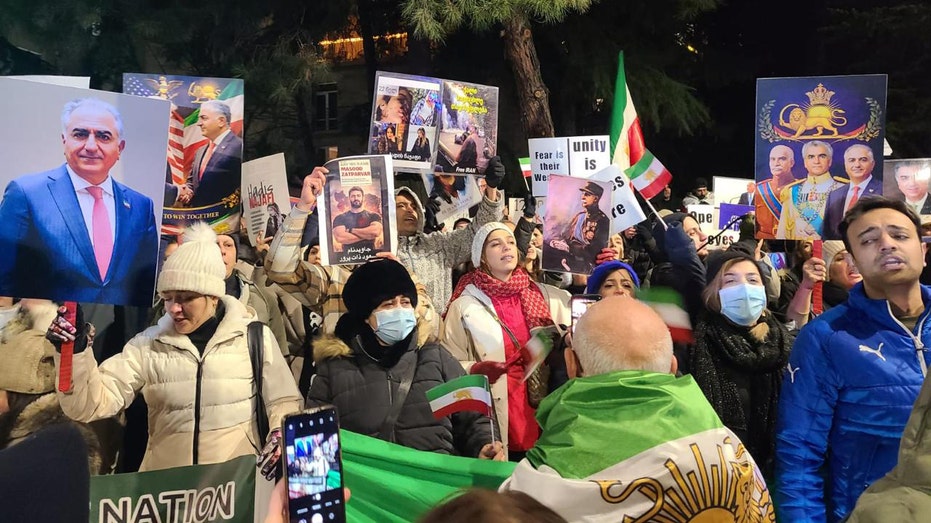
Erekle Koplatadze, a 33-year-old Tbilisi resident, has been a near-daily presence at the protests since November 2024. He spent six days detained for peacefully demonstrating, yet remains resolute. He describes a growing solidarity with Iran, evidenced by the appearance of historic Lion and Sun flags – symbols of pre-revolutionary Iran – outside Parliament and protests held before the Iranian Embassy.
The brutal violence unfolding in Iran has deeply shaken Georgians, fostering a profound sense of empathy. Koplatadze recalls a level of support for a foreign nation rarely seen in Tbilisi, comparable only to the outpouring for Ukraine.
The situation isn’t merely emotional; it’s strategically significant. Experts believe a democratic transformation in Iran would dramatically alter the regional power balance and weaken the Russian-Iranian alliance. This prospect is particularly relevant as ties between Georgia’s ruling party and Tehran have strengthened since the contested elections.
Reports reveal a concerning trend: Georgia has become a transit point for Iranian businesses seeking to circumvent international sanctions, with nearly 13,000 Iranian companies now registered within its borders. This economic activity raises questions about the Georgian government’s commitment to international norms.
However, the struggle also serves as a stark warning. Many Georgians view Iran as a cautionary tale, a demonstration of the dangers of allowing a dictatorship to consolidate power unchecked. The fear is that inaction could lead to a similar fate for their own nation.
Adding to the tension, the Georgian Dream government has remained silent on the pro-democracy protests in Iran, offering no support or condemnation of the violence. Simultaneously, it has implemented increasingly restrictive anti-demonstration laws and employed harsh tactics to suppress dissent at home.
Human Rights Watch has documented widespread interference with the right to peaceful assembly, including exorbitant fines and abusive police conduct. Transparency International Georgia reports a disturbing pattern: 600 arbitrary detentions, 300 cases of torture or inhumane treatment, 1,000 citizens fined for expressing political opinions, and 400 journalists arrested, beaten, and harassed – all since the election.
The streets of Georgia echo with a desperate plea for freedom, a plea amplified by the courage displayed by those fighting for the same ideals thousands of miles away in Iran. It’s a struggle for self-determination, a fight against corruption, and a yearning for a future aligned with democratic values.