A quiet January looms at Manchester United, a surprising stance given their financial capabilities. Despite possessing the resources for significant acquisitions, and even initial moves towards a high-profile signing, a firm decision has been made to prioritize a long-term vision over immediate impact.
The club previously prepared to trigger a substantial release clause for a promising attacker, but ultimately stepped aside as another Premier League giant swooped in. This player ultimately chose a different project, highlighting the competitive landscape and United’s unexpected restraint.
Internally, the leadership is determined to break from a pattern of reactive, “panic-buy” transfers that have plagued the club in the past. January’s market is viewed as inflated and prone to emotionally-driven decisions that rarely deliver lasting success.
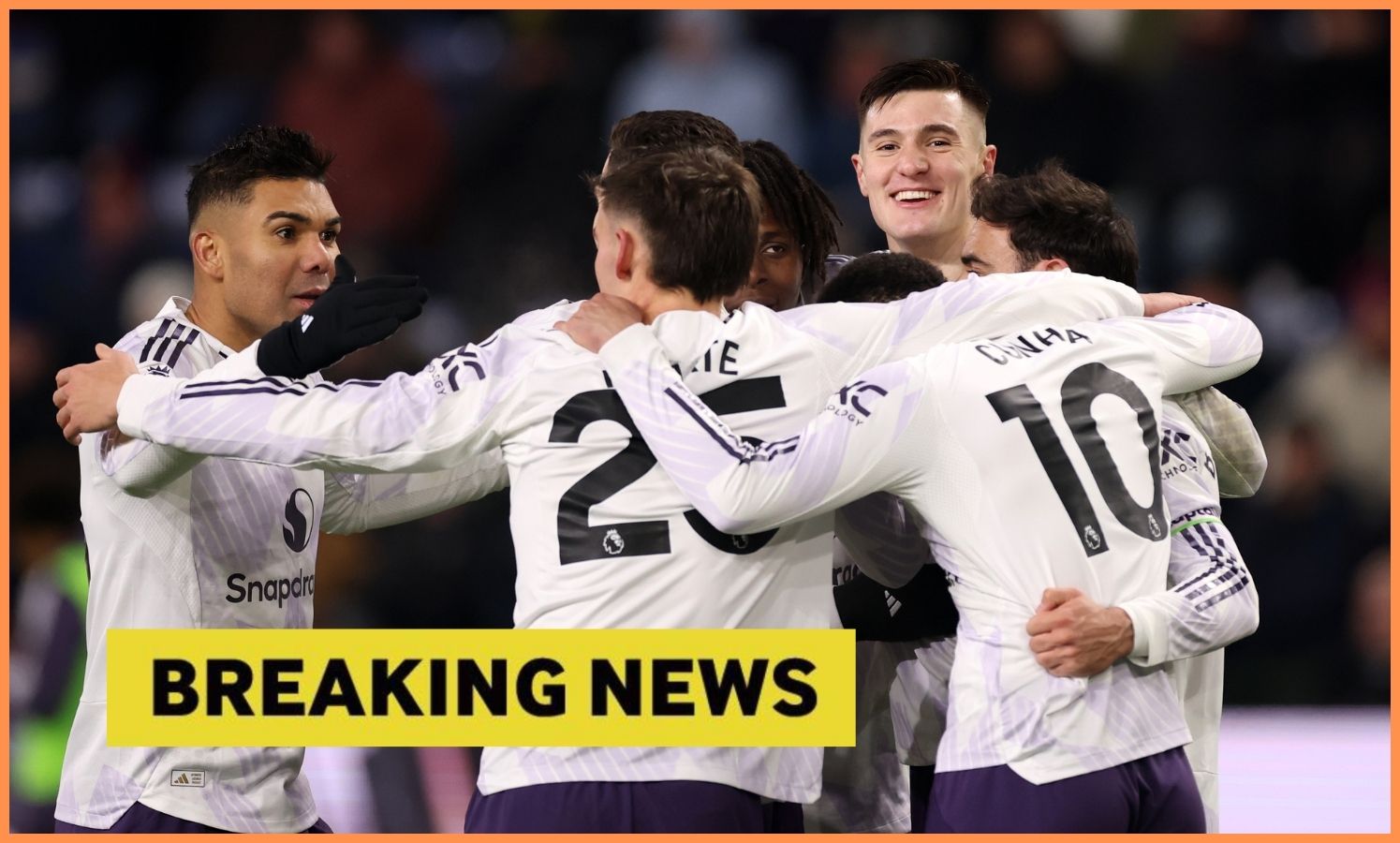
Funds are readily available, yet the prevailing belief is that January isn’t the optimal time for substantial investment, especially during a period of managerial transition. A careful, considered approach is now favored over impulsive action.
The recent appointment of Michael Carrick as interim manager has further solidified this strategy. The focus has shifted inward, towards a thorough evaluation of the existing squad’s capabilities.
United intends to provide Carrick with ample time to assess the team’s strengths and weaknesses before committing to any major changes. There’s a strong conviction that several players haven’t yet reached their full potential.
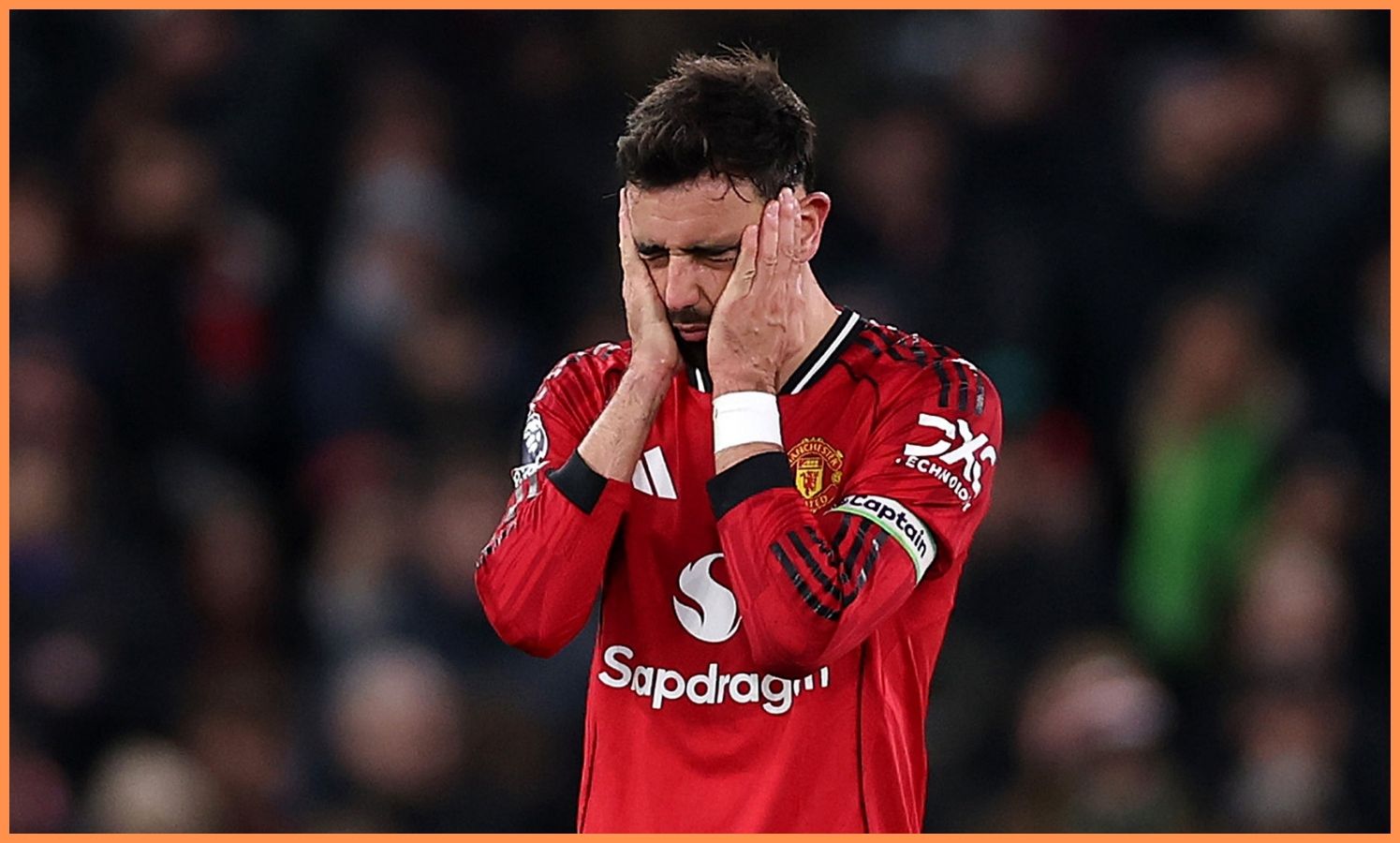
This period will essentially serve as a “live audit,” allowing the club to identify genuine needs rather than reacting to short-term pressures. Over £250 million was invested in new talent last year, and a similar outlay isn’t currently planned for the winter window.
The summer transfer window is now earmarked for the next significant financial commitment. Crucially, the arrival of a permanent manager will heavily influence the direction of recruitment, ensuring alignment with a clear tactical philosophy.