A new era is dawning in South America. Since his election victory, Chile’s president-elect, José Antonio Kast, has embarked on a whirlwind tour of the region, laying the groundwork for a dramatic realignment of power and priorities.
Less than 48 hours after the results were tallied, Kast arrived in Buenos Aires, Argentina, for a pivotal meeting with President Javier Milei. The two leaders, united by a shared political vision, engaged in discussions lasting over an hour – a clear signal of intent. They outlined a roadmap focused on national security, combating organized crime, and fostering economic growth.
The Argentine government released a statement emphasizing a commitment to “the defense of freedom, life, and private property,” signaling a decisive break from previous strained relations. This alliance isn’t simply about shared ideology; it’s about a shared determination to address pressing regional challenges.
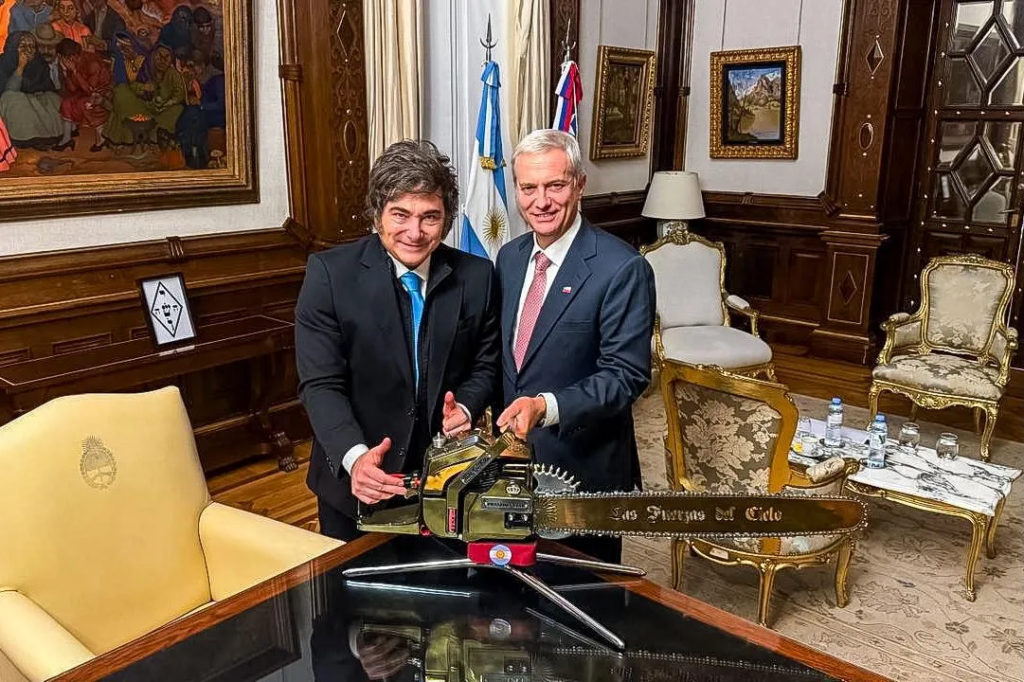
Kast’s journey continued to Quito, Ecuador, where he met with President Daniel Noboa. The central theme of their discussions: a coordinated response to the escalating threat of transnational criminal groups. Both leaders recognized the urgent need for a joint action plan to bolster security and stability across the region.
Beyond security, Kast examined Ecuador’s innovative, high-security prison model – inspired by El Salvador – seeking insights for potential reforms within Chile’s own correctional system. He’s looking for practical solutions, not just rhetoric.
A bold proposal emerged from these talks: a “Regional Humanitarian Corridor.” The idea is to create a secure route for Venezuelan migrants currently in Chile, Peru, and Ecuador, allowing them to return home or continue their journey without establishing permanent residency. This initiative, however, has sparked debate, raising questions about international obligations to protect vulnerable populations.

Kast envisions a system where individuals can return to their countries of origin with dignity, while simultaneously addressing the strain on resources in host nations. He believes a collaborative approach is essential to managing complex migration flows.
The final stop on Kast’s initial tour was Lima, Peru, where he met with President José Jerí. The conversation centered on a shared concern: the rapid expansion of illegal mining, fueled by transnational criminal networks. This illicit activity threatens both economies and demands a unified response.
Kast passionately argued for decisive action, proposing the sharing of border control technologies to prevent the export of illegally sourced materials. “Organized crime has no flags, no borders,” he declared, emphasizing the need for regional cooperation.
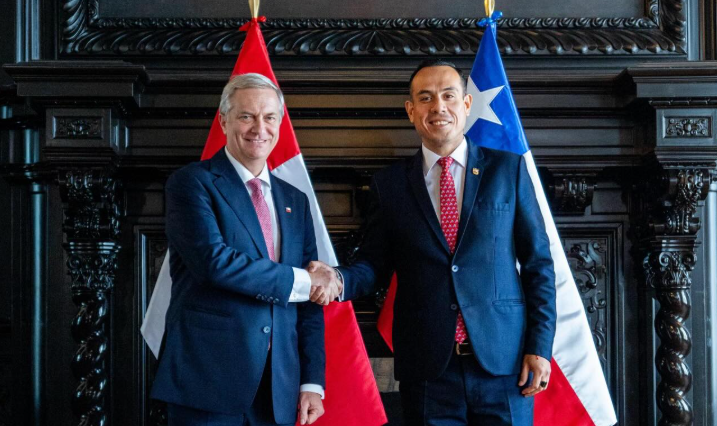
Discussions also extended to strengthening ties between border communities, recognizing the interconnectedness of regional economies. Kast highlighted the symbiotic relationship between Arica, Chile, and Tacna, Peru, advocating for increased cross-border investment.
However, not all proposals found immediate consensus. Peru’s President Jerí dismissed the idea of a humanitarian corridor for Venezuelan migrants, preferring to focus on facilitating direct returns through diplomatic channels. Kast, however, remained optimistic, stating simply, “everything will be fine.”
Kast’s diplomatic offensive isn’t merely symbolic. It represents a fundamental shift in Chile’s foreign policy, moving beyond traditional diplomacy toward what he calls a “diplomacy of security.” This new approach prioritizes border cooperation, private investment, and a shared commitment to combating regional threats.
In a matter of weeks, Kast has begun to forge a new geopolitical axis in Latin America, built on ideological alignment and a shared sense of urgency. The coming months will reveal whether this ambitious vision can translate into concrete action and lasting regional change.