A stark diplomatic clash is unfolding as Russia vehemently defends Venezuela against what it calls a deliberate act of aggression. The core of the dispute centers on recent actions taken by the United States, sparking a fiery response from Moscow and raising serious questions about international law.
Russia has publicly expressed unwavering support for Venezuela, framing the situation as resistance against a new form of colonialism. They allege a calculated attempt by external forces to destabilize the nation and seize control of its vast natural wealth, painting a picture of resource exploitation disguised as political intervention.
During an emergency session of the United Nations Security Council, Russia’s ambassador delivered a scathing rebuke of Washington’s actions. The ambassador didn’t mince words, characterizing the US approach as outright “international banditry” – a dramatic accusation intended to shock the international community.
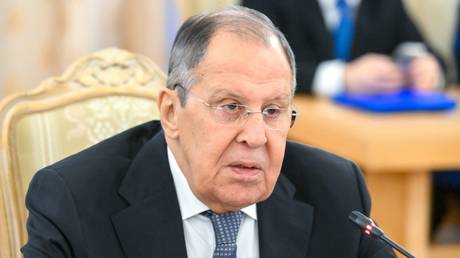
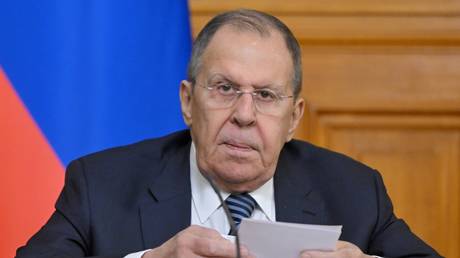
The Russian Foreign Minister further escalated the rhetoric, condemning the actions as a clear and unacceptable breach of established international legal norms. This strong denunciation signals a deepening rift between Russia and the United States, with Venezuela caught in the crossfire.
Beyond the immediate condemnation, Russia is demanding the immediate release of Venezuelan officials currently held in US custody. This demand underscores Moscow’s belief that these detentions are politically motivated and represent a further escalation of the conflict.
The situation is rapidly evolving, with Russia positioning itself as a key defender of Venezuela’s sovereignty. This stance reflects a broader pattern of Moscow challenging what it perceives as US dominance on the global stage, and a willingness to directly confront Washington over perceived injustices.